

Choosing the right residential painting company is essential to ensure your home looks its best while receiving high-quality service. With countless options available, it can be overwhelming to make the right decision. This guide will help you evaluate potential painting companies and confidently select the one that suits your needs.
Benefits of Hiring a Professional Painting Company
- Top-Notch Results: Professionals use high-quality materials and proven techniques to deliver smooth, flawless finishes.
- Efficiency: Skilled painters complete projects faster, saving you time and reducing disruptions to your daily life.
- Expert Guidance: Experienced contractors provide valuable advice on color choices, finishes, and paint types suited for your space.
- Safety Standards: Professionals use proper safety equipment and adhere to industry regulations when working at heights or handling hazardous materials.
- Cost-Effectiveness: While upfront costs may seem higher than DIY projects, professional services often prevent expensive mistakes in the long run.
Key Qualities of a Reliable Painting Company
- How long has the company been in business?
- Do they specialize in residential projects or offer specific expertise like exterior painting or decorative finishes?
- Confirm that the company is fully licensed to operate in your area.
- Ensure they carry liability insurance and workers’ compensation coverage for peace of mind.
- Ask for a portfolio showcasing previous residential projects.
- Look for diverse designs or finishes similar to what you’re envisioning for your home.
- Request references from past clients who can share insights about their experience with the company.
- Check online reviews on platforms like Google, Yelp, or Angi (formerly Angie’s List).
- Avoid companies offering vague estimates without detailed breakdowns.
- Request written contracts covering labor costs, materials used, project timelines, and warranties.
Checklist for Evaluating Painting Companies
| Criteria | Company A | Company B | Company C |
| Licensed & Insured | Yes/No | Yes/No | Yes/No |
| Years of Experience | X years | X years | X years |
| Portfolio Provided | Yes/No | Yes/No | Yes/No |
| Positive Online Reviews | ✓ | ✓ | ✓ |
| Transparent Pricing | ✓ | ✓ | ✓ |
This structured evaluation helps identify which company aligns best with your expectations.
Red Flags When Choosing a Painting Contractor
- Lack of proper licensing or insurance documentation.
- Unclear communication about project scope or timeline.
- Extremely low quotes that seem too good to be true (may indicate subpar materials or untrained labor).
- Disinterest in providing references or portfolios upon request.
- Pushy sales tactics pressuring you into quick decisions.
Avoiding these pitfalls ensures you partner with reliable experts who prioritize quality over shortcuts.
Final Thoughts
Selecting an experienced residential painting company enhances not only your home’s appearance but also its overall value. By considering factors such as reputation, pricing transparency, insurance coverage, and attention to detail during evaluations, you’re more likely to find trusted professionals capable of bringing your vision to life at an exceptional standard.
Professional Painters Northwest Ohio: Enhancing Your Home’s Aesthetics and Value
Hiring professional interior painting services can profoundly enhance the overall aesthetics and appeal of your home. Whether you’re preparing to sell, moving into a new space, or simply aiming to refresh your interiors, professional painters bring expertise and precision that can elevate your home’s ambiance. Below, we discuss the specific ways professional interior painting services add value to your living spaces.
Expertise in House Painting OH and Color Selection
One of the most challenging aspects of painting a home is choosing the right color palette. Professional painters offer:
– Color consultations: They can suggest colors that complement existing furniture, flooring, and lighting.
– Knowledge of trends: Professionals stay updated with modern design trends to recommend timeless or on-trend hues that elevate your space.
– Understanding of psychology: Certain colors evoke emotions—blues for tranquility or yellows for energy—and professionals help you choose shades aligned with the desired mood for each room.
Expert Tips for Flawless Interior Painting Techniques
A DIY approach often results in uneven coats, streaks, or missed spots. Professionals ensure high-quality results by using advanced techniques like:
– Proper surface preparation (cleaning, sanding, priming).
– Even application with tools like brushes, rollers, or sprayers appropriate for different surfaces.
– Crisp edging to create seamless transitions between walls and ceilings.
Their skills translate into a polished finish that enhances the overall aesthetic.
Enhance Durability and Longevity with Exterior Painting
Professional painters use high-quality materials that ensure lasting durability: | Type of Paint | Benefits | |——————————|————————————————————————–| | Low-VOC/eco-friendly paints | Reduces indoor air pollution while maintaining vibrant colors. | | Stain-resistant paints | Ideal for high-traffic areas like kitchens and hallways. | | Washable finishes | Perfect for families with children or pets—scuffs and marks are easy to clean.|
These choices contribute to long-lasting interiors that retain their visual appeal over time.
Improved Home Value
Real estate experts agree that freshly painted interiors can boost a home’s market value significantly: – Neutral tones create a blank canvas for potential buyers. – High-quality finishes make properties appear well-maintained. – Updated color schemes align with modern buyer preferences.
Even if you’re not planning on selling immediately, investing in professional painting improves both visual enjoyment and financial returns.
Enhanced Personal Enjoyment
A professionally painted interior dramatically transforms how you feel about your living spaces: 1. Brightened rooms increase natural light reflection. 2. Coordinated color schemes foster harmony across rooms. 3. Personalized touches create comfortable spaces unique to your taste.
Eco-Friendly Options
Many professional painters now prioritize sustainable practices: – Use of biodegradable drop cloths instead of plastic sheets. – Selection of non-toxic paints with low environmental impact. By opting for services from environmentally conscious professionals, you contribute positively to both aesthetics and sustainability goals.
Summary Benefits at a Glance
| Benefit | DIY Painting | Professional Services |
| Finish Quality | May include streaks or cracks | Smooth, even application |
| Time Efficiency | Requires significant effort | Faster completion due to expertise |
| Materials Knowledge | Limited understanding | High-grade tools & products |
| Long-Term Savings | Rework may be needed | Durable results reduce repainting |
Professional interior painting services go beyond simple renovations—they provide value-driven solutions tailored specifically to improving how each space looks and feels while ensuring lasting quality. Whether you’re looking for subtle sophistication or bold statements through color transformation, this investment offers unmatched benefits tailored precisely toward enhancing home life experiences seamlessly.
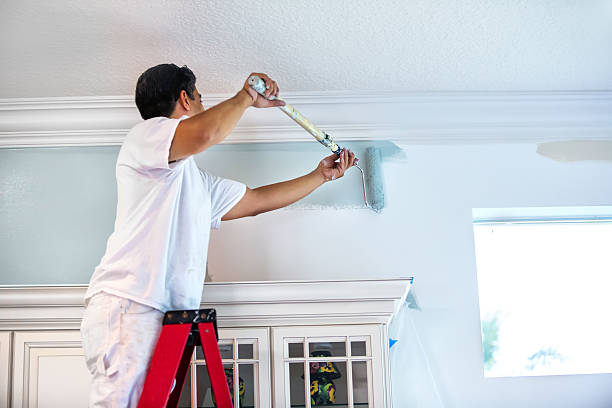
Key Factors to Consider When Selecting the Best Painting Company for Your Needs
Selecting the right painting company can make all the difference in ensuring a successful and stress-free experience. Whether you are updating your home’s interior or refreshing its exterior, thoroughly evaluating potential painting contractors is essential. Below are key factors to consider when making your decision.
Reputation and Experience
- Customer Reviews: Check online reviews on trusted platforms like Google, Yelp, or Better Business Bureau (BBB). A company with consistently positive feedback is often a reliable choice.
- Portfolio of Work: Request examples of completed projects to gauge the quality of their work. Look for projects similar in scope to yours.
- Years in Business: Companies with several years of experience tend to have a more honed process and higher levels of expertise.
Licensing and Insurance
Ensuring that the painting contractor is properly licensed and insured protects you from potential liabilities. – Licensing: Verify that the contractor holds any required state or local licenses for residential painting services. – Insurance Coverage: Ensure they carry both general liability insurance and workers’ compensation insurance. This safeguards you in case of accidental damage or injury on your property.
Quality of Materials
A professional painting company should prioritize high-quality materials that contribute to long-lasting, vibrant finishes. – Ask about the brands of paint used (e.g., Sherwin-Williams, Behr, Benjamin Moore). – Confirm whether they use primer before applying paint for better durability. – Discuss options for eco-friendly or low-VOC paints if sustainability is important to you.
Transparent Pricing
Reliable companies provide clear and detailed estimates for their services: – A comprehensive quote should include labor costs, material expenses, surface preparation details, cleanup fees, etc. – Avoid companies that give vague quotes without breaking down costs.
Here’s an example of what a transparent estimate might look like:
| Service | Cost Estimate |
| Surface Preparation | $200 |
| Painting (2 coats) | $1,500 |
| Cleanup Services | $150 |
| Total | $1,850 |
Warranty Offered
Trustworthy painters stand by their work by offering warranties: – Inquire about both workmanship warranties (covering issues like peeling or cracking) and product warranties (offered by paint manufacturers). – Review the terms carefully to understand what is covered and how long it lasts.
Communication Skills
Good communication ensures smooth collaboration throughout the project: 1. Are they responsive to emails/calls during initial consultations?
2. Do they clearly explain processes such as preparation techniques or timelines?
3. Are they willing to answer questions about specific preferences or challenges?
Timeline Management
Establish a realistic timeline for project completion: – Confirm if they have enough staff capacity during your desired timeframe. – Ask if any external factors (like weather conditions for exterior projects) could delay the schedule.
By carefully evaluating these factors and asking detailed questions during consultations, you’ll be better positioned to select a professional painting company that meets your specific needs while minimizing risk. Always trust your instincts when assessing companies—if something feels off during initial interactions, it’s worth considering other options for peace of mind.
Essential Questions to Ask Before Hiring Professional Painters for Your Project
1. What Is Your Experience in Residential or Commercial Painting?
Understanding the experience level of the painters is fundamental. Key considerations include:
– Years in Business: A company with several years of experience is more likely to have a proven track record.
– Specialization: Some companies specialize in either residential or commercial projects—ensure their focus aligns with your needs.
– Portfolio of Previous Work: Request examples of completed projects to assess their quality and style.
2. Are You Licensed and Insured?
A professional painting company should have the proper credentials to operate legally and protect both themselves and their clients. Verify the following:
– Licenses: Confirm that they hold valid licenses in your state or locality.
– Insurance: Ask if they carry liability insurance and workers’ compensation coverage to protect you from potential damages or injuries during the project.
3. What Type of Paint Products Do You Use?
The quality of paint can significantly impact longevity and appearance. Inquire about brands and types of products used, including details such as:
– Low-VOC or eco-friendly options for better air quality after painting.
– Durable finishes suitable for high-traffic areas or specific surfaces like kitchens and bathrooms.
| Paint Type | Recommended Uses | Features |
| Low-VOC Paints | Interior living spaces | Environmentally friendly; low odor |
| High-Gloss Finishes | Trim, molding, doors | Reflective; easy to clean |
| Matte Finishes | Bedrooms, ceilings | Non-reflective; hides wall imperfections |
4. Do You Provide Written Estimates?
A reliable painting company should offer detailed written estimates that outline all project costs upfront without hidden fees. Ensure the estimate includes details such as:
– Breakdown of labor costs versus material costs. – Estimated timeline for completion. – Payment terms (deposit requirements, final payment schedule).
5. What Is Your Warranty Policy?
Reputable painters should stand by their work with a warranty policy that covers potential issues like peeling, bubbling paint, or uneven application over time.
Questions to ask: – How long is the warranty period? – Does it cover both materials and workmanship?
6. How Do You Handle Surface Preparation?
Proper preparation ensures professional-looking results that last longer without requiring frequent touch-ups. Ask about their approach to preparation tasks like: – Sanding rough surfaces. – Filling cracks or holes. – Cleaning walls before applying primer or paint.
7. Can You Provide References from Previous Clients?
Hearing from past customers can give valuable insight into a company’s professionalism and reliability: – Request at least three references. – Look up reviews online on platforms like Google Reviews or Yelp.
By asking these targeted questions before hiring professional painters, you can ensure that your project will be completed efficiently, professionally, and with high-quality results tailored to your expectations.
Interior Wall Painting Ideas Recommended by Experienced Painters to Transform Your Space
When it comes to interior wall painting, selecting the right ideas and techniques can make a significant difference in your home’s overall look and feel. Experienced painters often recommend a variety of creative strategies to transform your space effectively while maintaining a balance between style and functionality. Below are some top ideas you can consider for your next painting project.

1. Embrace Feature Walls
A feature wall, also known as an accent wall, draws attention to a particular area of a room by using bold colors or patterns.
- Best Rooms for Accent Walls: Living rooms, bedrooms, or dining areas.
- Popular Color Choices: Deep blue, emerald green, burnt orange, or charcoal gray.
- Patterns to Consider: Geometric designs, stenciled art, or natural textures like faux brick.
Feature walls add depth and character without overwhelming the entire space.
2. Experiment with Neutral Palettes
Neutral tones remain timeless and versatile for interior design. These colors create a calming environment and pair well with various decor styles.
- Warm Beige
- Cool Gray
- Off-White
- Taupe
Neutral palettes work especially well in bedrooms and offices where subtlety is key for relaxation or focus.
3. Two-Tone Walls for Visual Interest
Two-tone walls involve splitting the surface into two separate sections painted in complementary shades. This method helps create depth and adds dimension to smaller spaces.
- Navy Blue (Bottom) + Soft White (Top)
- Olive Green (Bottom) + Light Sand (Top)
- Terracotta (Bottom) + Creamy Beige (Top)
Use painter’s tape to ensure clean separation between the two tones.
4. Use Textured Paint Finishes
Textured finishes can elevate plain walls by adding tactile detail. These finishes work well in spaces like dining rooms or entryways where you want to make an impression.
| Finish Type | Description | Ideal Usage |
| Matte | A flat finish with no sheen | Hides imperfections; great for ceilings |
| Satin | Slightly glossy | Ideal for living rooms & hallways |
| Metallic | Shimmering effect | Adds luxury to accent walls |
| Stucco/Plaster | Rough texture | Creates rustic or modern designs |
5. Incorporate Bold Color Blocking
Color blocking is a contemporary approach involving oversized sections of contrasting hues on one wall without blending them together.
- Choose three complementary colors.
- Use painter’s tape to mark clean lines.
- Mix warm shades like mustard yellow with cooler tones such as teal blue.
This approach works particularly well in children’s bedrooms, offices, or creative spaces.
6. Go Monochromatic for Minimalist Appeal
For those who prefer simplicity over complexity, monochromatic color schemes offer cohesion while still allowing personalization through texture and layering decor pieces like artwork or furniture in similar tones.
By implementing these interior wall painting ideas recommended by professionals, you can breathe new life into your living spaces while reflecting your personal style preferences. From feature walls that demand attention to neutral color schemes exuding calmness, there is no shortage of creative options tailored to any taste or function of your home.
How to Prepare Your Home with a Painting Company Ohio for Optimal Results
Proper preparation is a vital step in any painting project. By taking the time to get your home ready, you can ensure that the painting process is smooth, efficient, and achieves professional-quality results. Below is a detailed guide on how to prepare your home effectively before starting your painting project.
Clear the Space
Removing obstacles from the area being painted makes it easier for painters to work and protects your belongings from potential damage.
- Move Furniture: Shift large furniture items out of the room or move them to the center of the space and cover them with drop cloths or plastic sheets.
- Remove Wall Decor: Take down paintings, mirrors, shelves, and any other wall-mounted items. Don’t forget curtain rods and window treatments near painted areas.
- Empty Smaller Items: Clear small objects like lamps, decorative pieces, or electronics from shelves and tables in the workspace.
Clean Surfaces Thoroughly
Paint adheres best to clean surfaces, so it’s important to remove dirt, grease, dust, or mildew before starting.
- Walls & Ceilings: Use a damp cloth or sponge with mild detergent to clean walls thoroughly. In kitchens or bathrooms, consider using a degreaser for tough stains.
- Baseboards & Trim: Wipe down baseboards and molding to remove accumulated grime that could interfere with paint adhesion.
- Special Areas: If there’s mildew present on walls or ceilings (common in high-moisture areas), use a mixture of water and white vinegar to eliminate it completely.
Repair Any Imperfections
Damaged walls can compromise your final result. Take time to fix cracks, dents, and other imperfections before applying paint.
- Fill small holes and cracks with spackling paste using a putty knife.
- For bigger holes or gouges in drywall, use a patching kit.
- Sand all repaired areas until they’re flush with surrounding surfaces for a smooth finish.
- Inspect baseboards and trim for blemishes—use wood filler where necessary.
| Imperfection | Solution |
| Small nail holes | Spackling paste + sanding |
| Cracks | Acrylic caulk + smoothing |
| Large dents | Drywall patch kit + sanding |
Protect Surrounding Areas
Painting can sometimes be messy; protecting non-painted areas will save you time during cleanup.
- Cover floors with drop cloths or plastic sheeting to catch drips.
- Use painter’s tape along edges of trim work (windowsills, doorframes) for clean lines.
- Apply protective coverings over light fixtures, switches, outlets, doorknobs — anything that cannot be removed but might be exposed during painting.
Gather Tools and Supplies Ahead of Time
Having all necessary tools ready ensures that work progresses without unnecessary interruptions.
- Suggested materials include: painter’s tape; high-quality brushes; rollers; trays; primer; drop cloths; sandpaper; ladder (if needed).
- Make sure paint is properly mixed/shaken before beginning application.
Plan Ventilation During Painting
1) Open windows where possible 2) Use fans strategically aimed toward open-air exits
Organizing these steps carefully guarantees optimal conditions ensuring professional long-term results.
- 5 Must-Know Tips for Choosing a Reliable Painting Company in Ohio
- Tips for Choosing Painters Northwest Ohio and A Guide to Interior Painting and Choosing the Right Finishes
- Key Factors to Consider When Choosing Painters Northwest Ohio
- How to Choose the Best Painting Company Ohio Offers for Stunning Home Transformations
- Expert Tips for Choosing the Best Painters Northwest Ohio Has to Offer
- A Comprehensive Guide to Choosing Painting Services Northwest Ohio for Your Home
- Tips for Choosing the Best Painting Company Ohio Offers for a Perfect Paint Job
- Tips to Choose the Perfect Painters Northwest Ohio for Your Dream Home and Transform Your Space